## Understanding Low-Emission Energy-Saving Boilers
Low-emission energy-saving boilers represent a significant advancement in the realm of heating technology, designed to minimize environmental impacts while maximizing energy efficiency. These systems are essential in modern manufacturing processes, where sustainability is increasingly prioritized.
At the core of low-emission energy-saving boilers is their combustion system, which operates using innovative combustion technologies such as modulating burners and flue gas recirculation. Traditional boilers often release significant amounts of nitrogen oxides (NOx) and carbon emissions due to uncontrolled combustion processes. In contrast, low-emission boilers incorporate sensors and control systems that precisely regulate fuel and air mixing. This enables them to achieve complete combustion, resulting in lower emissions and increased fuel efficiency.
Key components of low-emission energy-saving boilers include a burner, combustion chamber, heat exchanger, and exhaust system. The burner mixes fuel (typically natural gas or biodiesel) with an appropriate amount of air, igniting it to produce heat. The combustion chamber creates an optimal environment for burning fuel efficiently while minimizing pollutant formation. Once the heat is generated, it is transferred to the fluid circulating through the heat exchanger, which warms up and can then be used for various applications, such as space heating or process heating in industrial settings.
The integration of advanced technologies, such as intelligent control systems and variable speed drives, further enhances the efficiency of these boilers. Intelligent controls monitor system performance and environmental conditions in real-time, allowing for dynamic adjustments to optimize operations. Variable speed drives regulate the operation of motors for pumps and fans, ensuring that only the energy needed for heating is consumed.
Practical applications of low-emission energy-saving boilers can be seen in manufacturing industries such as food processing, pharmaceuticals, and textiles, where a consistent and reliable heat supply is crucial. For instance, a food processing plant may install these boilers to steam vegetables or sterilize equipment, benefiting from reduced emissions and lower energy costs.
In summary, low-emission energy-saving boilers play a vital role in enhancing energy efficiency and reducing environmental impacts in modern manufacturing. Their sophisticated components and advanced technology enable efficient production while addressing the growing demand for sustainable practices. If you are considering integrating this technology into your operations or are looking for reliable suppliers, please contact us for more information.

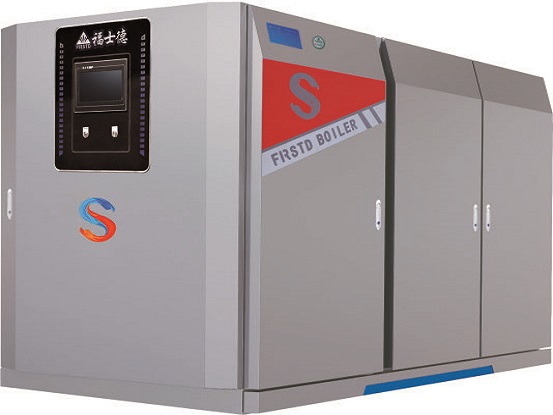
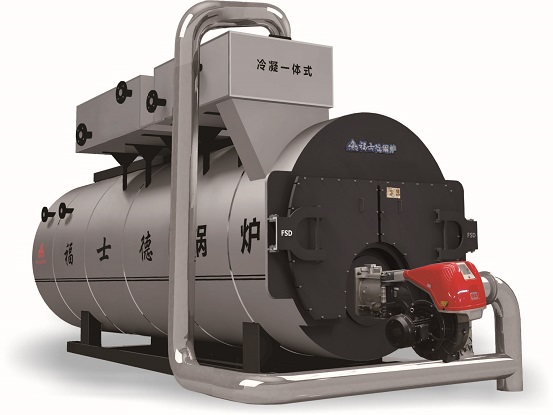
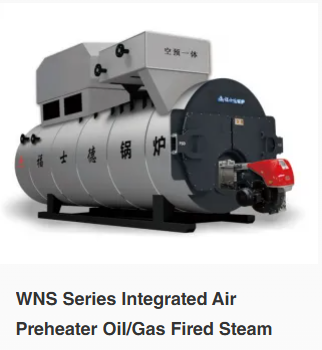
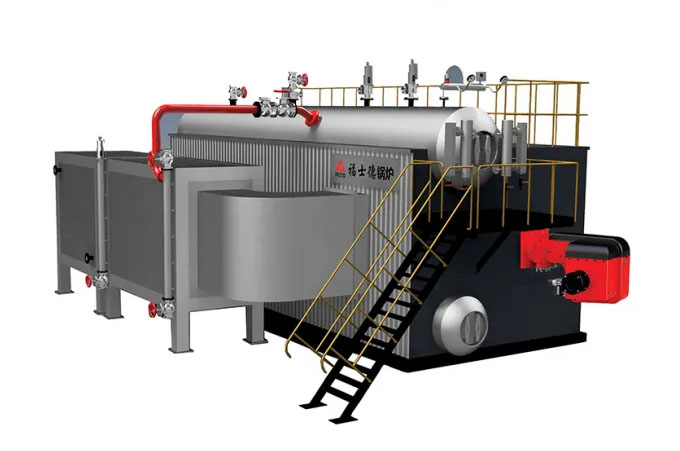
 Steam boiler for food industry