In the food industry, the demand for efficient and reliable steam boilers is paramount to ensure product quality, safety, and consistency. Steam boilers serve as critical components in various food processing applications, including cooking, pasteurization, sterilization, and cleaning. Understanding the intricacies of steam boiler technology and its applications in the food sector is essential for professionals involved in the manufacturing, maintenance, and operation of these systems.
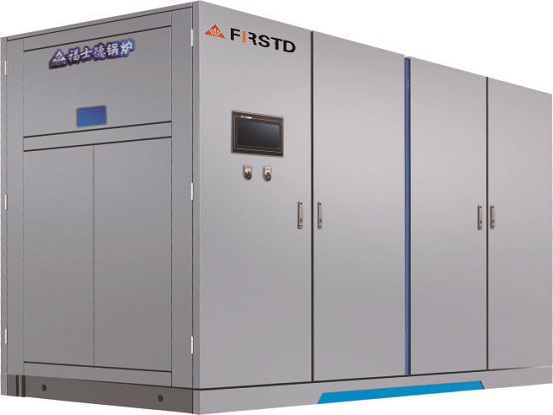
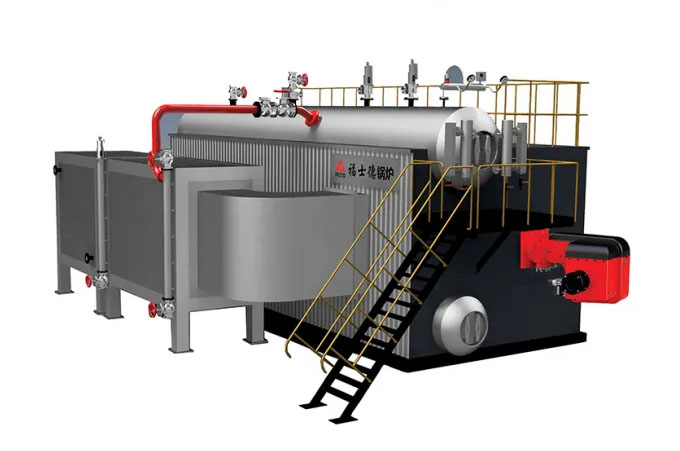
Steam boilers for the food industry are specifically designed to meet stringent hygiene standards while ensuring optimal energy efficiency and performance. These systems utilize water and energy to produce steam, which is then used for various processes, including heating, drying, and even power generation in some cases. There are various types of steam boilers, including fire-tube, water-tube, and electric boilers, each offering unique advantages depending on the specific needs of the facility.
From a regulatory standpoint, compliance with health and safety standards is critical in the food industry. Steam boilers must adhere to guidelines set by organizations such as the Food and Drug Administration (FDA) and the United States Department of Agriculture (USDA). This compliance ensures that the steam produced is safe for direct contact with food products, preventing contamination and maintaining overall food safety.
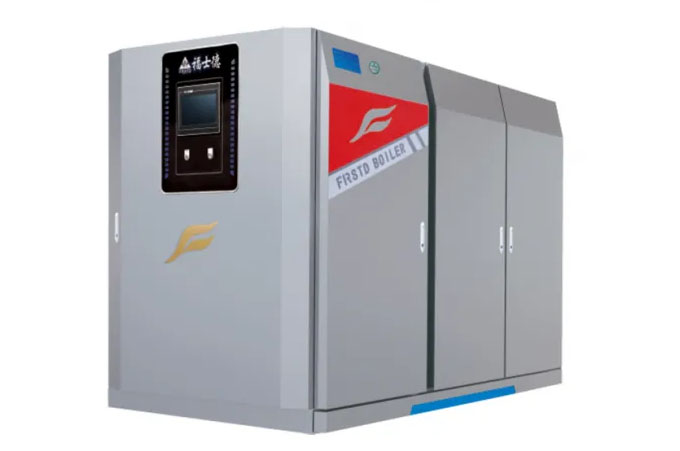
In terms of operational efficiency, modern steam boilers are equipped with advanced control systems that allow for precise monitoring and adjustments to optimize steam production while minimizing energy costs. Utilizing high-quality materials and innovative designs, these boilers can enhance durability, reduce maintenance needs, and prolong service life, which is vital in the high-demand environment of food processing.
Expertise in steam boiler systems is essential for operators and engineers to ensure that these units function optimally. A thorough understanding of boiler operation principles, maintenance practices, and troubleshooting techniques is necessary to avoid downtime and production losses. Additionally, the integration of sustainable practices in steam boiler operation addresses contemporary environmental concerns, further highlighting the importance of expertise in this field.
Ultimately, steam boilers are indispensable in the food industry, not only for their operational capabilities but also for their impact on food safety and quality. Investing in advanced steam boiler technology and fostering a culture of expertise and compliance will benefit food manufacturers, enhance product integrity, and contribute to the sustainability of operations.
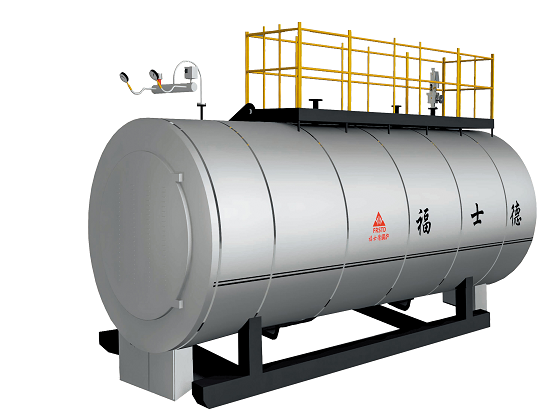
 Biomass environmentally friendly boilers