## Understanding the Mechanism of Industrial Steam Boilers
Steam boilers are essential components in various industrial processes, providing the necessary steam for heating, power generation, and various manufacturing applications. At their core, steam boilers operate on a simple principle: converting water into steam through heat energy, which is then harnessed for operational needs.
### Key Components of a Steam Boiler
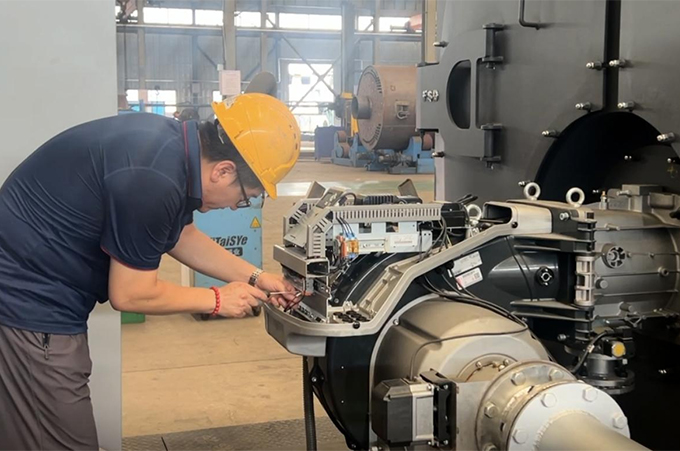
A typical industrial steam boiler comprises several crucial components. The **boiler shell** houses the water and steam, while the **burner** ignites the fuel to produce heat. A critical part of the process is the **heat exchanger**, which allows efficient transfer of heat to the water. Additionally, **controls and safety devices** ensure the system operates correctly and safely, preventing issues like overpressure or overheating.
The **feedwater system** supplies the boiler with water, while the **steam drum** collects the steam produced during the heating process. Within this system, **blow-off valves** are installed to remove sediment and ensure the water remains clean, crucial for maintaining the efficiency and longevity of the boiler.
### Working Mechanism
The operation of a steam boiler begins with water being pumped into the boiler shell. The burner then ignites the fuel, typically natural gas, oil, or coal, generating heat that flows through the heat exchanger, raising the temperature of the water. Once the water reaches its boiling point, it transforms into steam and rises to the steam drum, ready for use.
This steam can then be distributed throughout the facility for various applications, such as driving turbines for electricity generation or providing heat for a manufacturing process. The steam's thermal energy can also be harnessed in applications like sterilization in food and pharmaceutical industries, where precise temperature control is vital.
### Advanced Technology in Steam Boilers
Modern industrial steam boilers incorporate advanced technologies that improve efficiency and reduce emissions. For example, **modulating burner controls** adjust the burner output based on steam demand, minimizing fuel usage. **Condensate recovery systems** capture and reuse steam condensate, further enhancing energy efficiency.
Additionally, the implementation of **automation and IoT technology** allows for real-time monitoring and control, optimizing boiler performance and reducing downtime. These advancements make steam boilers not only more efficient but also integral to sustainable manufacturing practices.
### Conclusion
In conclusion, industrial steam boilers are pivotal in driving various manufacturing and production processes. Their design and operation have evolved with advanced technology, ensuring efficient and safe steam generation. For businesses seeking reliable steam generation equipment and expert support, it is crucial to connect with reputable suppliers. If you have any questions or need assistance, feel free to contact us.

 Steam boiler for power plant