## Understanding How Steam Boilers for Commercial Use Work
Steam boilers are essential equipment in various commercial applications, enabling industries to generate steam for heating, power generation, and process applications. The operation of a steam boiler relies on fundamental principles of thermodynamics, utilizing water and fuel to produce steam efficiently.
At its core, a steam boiler consists of several key components, including the boiler shell, burners, heat exchanger, water feed system, steam drum, and controls. The boiler shell houses the water that is heated to produce steam. Burners, often located at the bottom or side, ignite fuel (gas, oil, or biomass) to generate heat. This heat is transferred to the water through a heat exchanger, where it is converted into steam.
The water feed system maintains the appropriate water level within the boiler by continuously supplying water. This is crucial because insufficient water can lead to overheating and potential failure. The steam drum collects the steam produced by the boiling water and dispatches it to the process lines or heat exchangers. Advanced control systems monitor pressures and temperatures, ensuring the boiler operates within safe parameters while optimizing performance.
Recent advancements in boiler technology, such as the integration of automated control systems and real-time monitoring, have improved the efficiency and safety of commercial steam boilers. For instance, modulating burners adjust the fuel-air mixture based on the steam demand, minimizing fuel consumption and emissions. Additionally, advanced insulation materials improve thermal efficiency by reducing heat losses.
In industries such as food processing, pharmaceuticals, and textiles, steam boilers play a critical role in production processes. For example, in food processing, steam is often utilized for cooking, sterilization, and cleaning processes. The consistent and precise steam generation provided by modern boilers ensures that products meet quality and safety standards.
Furthermore, in the pharmaceutical industry, steam is vital for sterilizing equipment and maintaining controlled environments, as it effectively kills bacteria and other pathogens. The reliability and efficiency of steam boilers directly influence production rates and operational costs, making them indispensable in modern manufacturing settings.
In conclusion, the efficient operation of steam boilers in commercial applications hinges on their intricate components and advanced technology. These systems allow for improved production processes, leading to enhanced productivity and sustainability. For businesses seeking reliable steam boiler solutions, it's essential to engage with experienced suppliers. If you'd like to learn more about how steam boilers can benefit your operations or have any inquiries, please contact us.

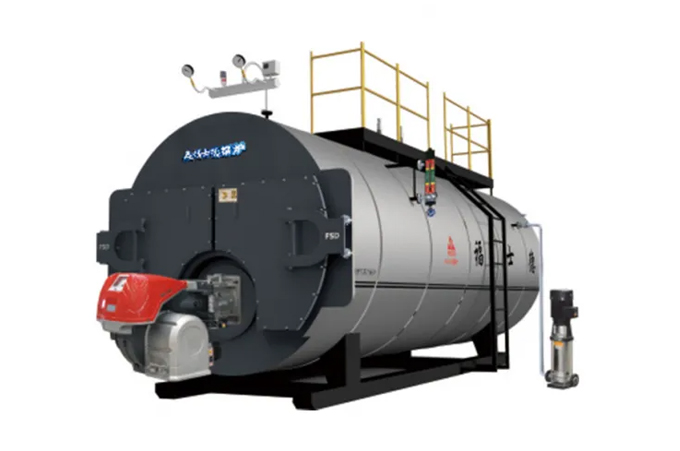
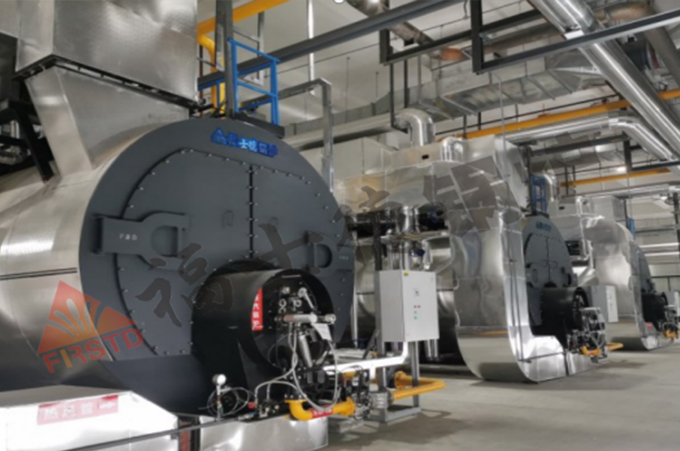
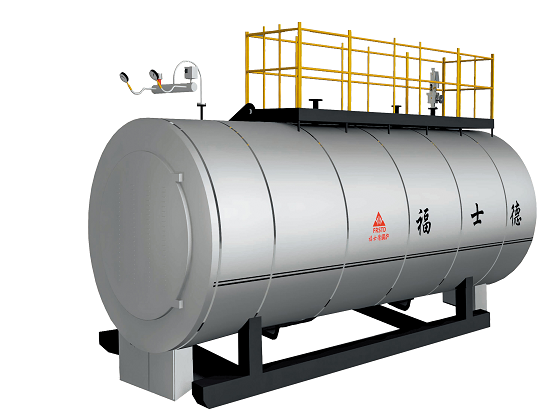
 Durable steam boiler