## Understanding How Hydronic Environmentally Friendly Boilers Work
Hydronic environmentally friendly boilers are cutting-edge systems designed to provide efficient heating through water-based solutions while minimizing environmental impact. These boilers utilize advanced technology to optimize fuel efficiency, reduce emissions, and enhance overall performance. Understanding their working mechanisms and key components helps to highlight their significance in modern heating applications.
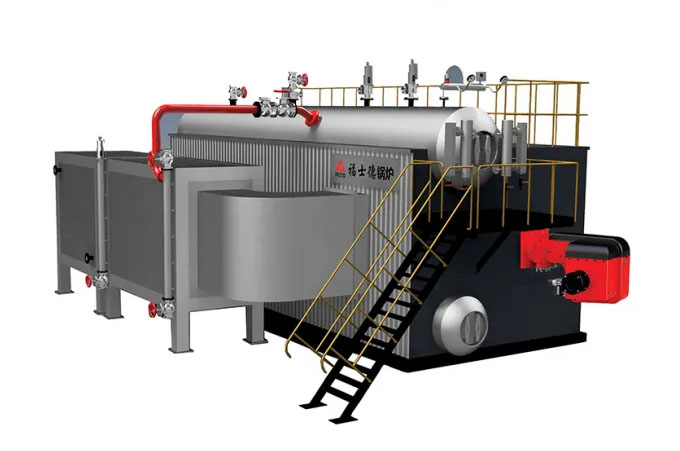
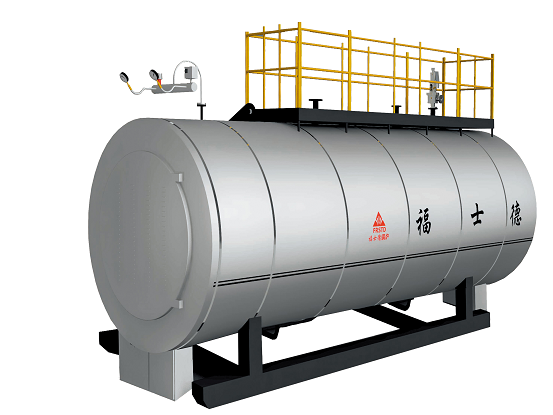
At the core of a hydronic boiler system is the heat exchanger, which plays a vital role in transferring heat from the combustion process to the water circulated throughout the system. In a typical setup, fuel (such as natural gas, propane, or biomass) is burned in the combustion chamber, producing hot gases. These gases pass through the heat exchanger, where heat is transferred to the water in the boiler. The heated water is then pumped through a network of pipes to radiators or underfloor heating systems located in various rooms, providing consistent warmth throughout the space.
Key components of a hydronic boiler include the pump, control system, and expansion tank. The pump circulates the heated water through the system, ensuring a steady supply of warmth. The control system monitors temperature and pressure, enabling the boiler to adjust its operation efficiently. This feature is vital for maintaining optimal performance and preventing energy waste. The expansion tank accommodates water expansion caused by heating, preventing system damage and maintaining pressure balance.
Hydronic environmentally friendly boilers employ advanced technologies, such as modulation and condensing features. Modulation allows the boiler to adjust its output to match heating demands, ensuring it operates at peak efficiency. Condensing technology captures and reuses waste heat from the flue gases, further enhancing energy efficiency and reducing emissions. This dual focus on performance and environmental responsibility makes hydronic systems an excellent choice for modern heating solutions.
Practical applications of hydronic boilers are widespread. In residential settings, these systems effectively heat homes while ensuring lower energy bills and a reduced carbon footprint. In commercial settings, hydronic systems provide efficient heat to office buildings, schools, and hospitals, contributing to a sustainable future. As industries push towards greater environmental stewardship, the role of such technology in manufacturing processes becomes increasingly important.
In conclusion, hydronic environmentally friendly boilers represent a significant advancement in heating technology. Their efficient production processes not only support comfortable living and working environments but also promote sustainable practices. If you're interested in exploring these systems further or seeking reliable suppliers, feel free to contact us for more information.

 Automatic steam boiler