## Understanding How Industrial Steam Boilers Work
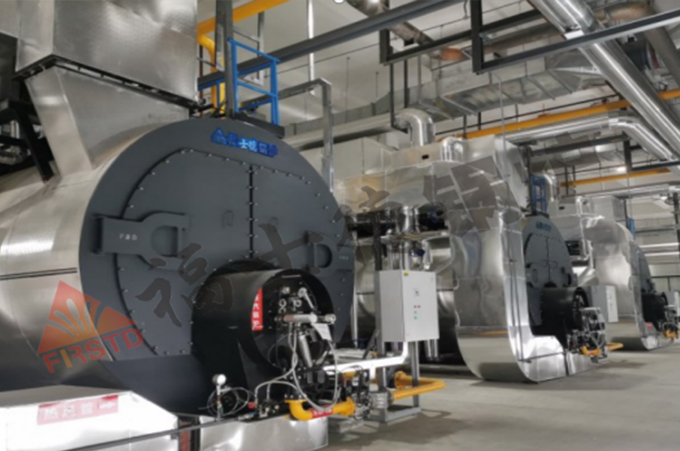
Industrial steam boilers are critical components in various manufacturing processes, providing the necessary steam for production, heating, and power generation. Their ability to generate large volumes of steam efficiently is crucial for industries such as food processing, textiles, pharmaceuticals, and energy generation. Understanding how these boilers operate, along with their key components and advanced technologies, is essential for optimizing production processes.
At the heart of an industrial steam boiler is the combustion chamber, where fuel is burned to generate heat. This heat is then used to convert water into steam in the boiler tubes. The boiler’s efficiency is significantly determined by its system of heat exchangers, which maximize the transfer of heat from the combusted fuel to the water. A well-designed heat exchanger ensures that minimal energy is wasted, leading to lower fuel consumption and reduced operational costs.
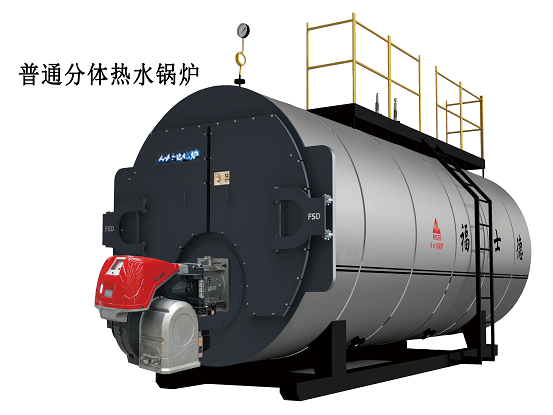
Key components of an industrial steam boiler include the burner, economizer, steam drum, and water feed system. The burner initiates the combustion of fuel, while the economizer preheats the incoming feedwater using residual heat from flue gases. This process enhances the overall efficiency of the boiler by recovering energy that would otherwise be lost. The steam drum acts as a reservoir for steam and water, maintaining the necessary pressure levels to produce high-quality steam for industrial use.
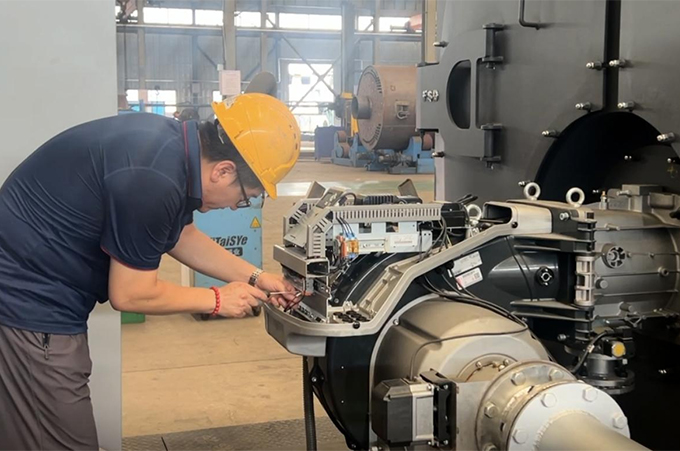
Advanced technologies have transformed traditional steam boilers into highly efficient systems. For instance, automated control systems monitor various parameters such as temperature, pressure, and water levels, optimizing performance and ensuring safety. This automation not only improves energy efficiency but also reduces the need for manual intervention, minimizing the risk of human error. Additionally, modern boilers often incorporate condensing technologies, which can capture and reuse heat from exhaust gases, further enhancing their efficiency.
Practical applications of industrial steam boilers can be seen across different sectors. In the food processing industry, steam is vital for cooking, sterilizing equipment, and cleaning. For instance, a textile manufacturer might utilize a steam boiler to power dyeing machines, ensuring that fabrics receive uniform treatment. In energy production, steam generated from boilers drives turbines to produce electricity, showcasing the versatility and importance of these systems in modern manufacturing.
In conclusion, industrial steam boilers play a pivotal role in ensuring efficient production processes across various sectors. Their advanced technology not only enhances performance but also contributes to cost savings and environmental sustainability. For those seeking reliable steam solutions, it is essential to connect with reputable suppliers in the industry. For more information or specific inquiries, feel free to contact us.
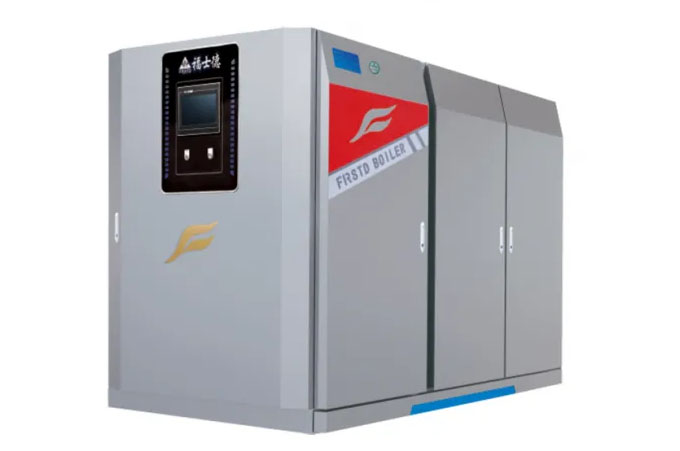
 Durable steam boiler