The steam boiler is a critical component in the textile industry, playing a pivotal role in various manufacturing processes such as dyeing, finishing, and fabric production. In textile manufacturing, the need for precise temperature control and consistent steam generation makes steam boilers indispensable. These boilers convert water into steam, utilizing various fuel sources such as natural gas, coal, or electricity. The steam produced is then utilized for heating, pressing, and other operational demands, ensuring that the fabric undergoes the necessary treatment to achieve the desired quality.
Expertise in steam boiler technology is essential for textile manufacturers as efficiency and reliability directly impact operational costs and productivity. Advanced steam boilers are designed for optimal performance, featuring automated control systems that monitor and adjust fuel consumption, water levels, and steam pressure. This level of sophistication not only maximizes efficiency but also reduces emissions, aligning with the industry's growing focus on sustainability and environmental compliance. Leading manufacturers leverage cutting-edge technologies such as condensing heat recovery systems and high-efficiency burners to enhance energy utilization and minimize waste.
Experience in operating steam boilers is vital, as the textile industry is fast-paced and demands a robust system to meet varying output levels. Skilled personnel trained in boiler operation, maintenance, and safety protocols are crucial for ensuring uninterrupted production. Regular inspections and preventative maintenance can significantly extend the lifespan of the boiler while maintaining peak performance and safety standards. Understanding the intricacies of boiler systems, including water treatment, pressure management, and safety devices, empowers textile operators to prevent costly downtimes and enhance product quality.
Authoritativeness in the realm of steam boilers for the textile industry can be credited to a combination of rigorous industry standards, certifications, and adherence to best practices. Regulatory bodies outline guidelines that ensure steam boiler operations maintain safety and efficiency, promoting best practices for installation, maintenance, and operation. Additionally, leading companies often publish white papers, case studies, and technical manuals that contribute to the body of knowledge, providing insights and fostering innovation across the sector.
In summary, steam boilers are integral to the textile industry's operational efficiency, quality assurance, and sustainability goals. By harnessing expertise, experience, and adherence to authoritative standards, textile manufacturers can optimize their steam boiler systems, thereby enhancing overall production quality and reducing environmental impact. As the industry continues to evolve, the role of advanced steam boiler technology will remain crucial in driving efficiency and innovation.
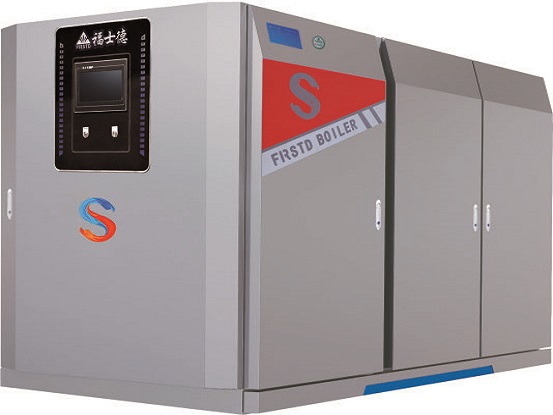
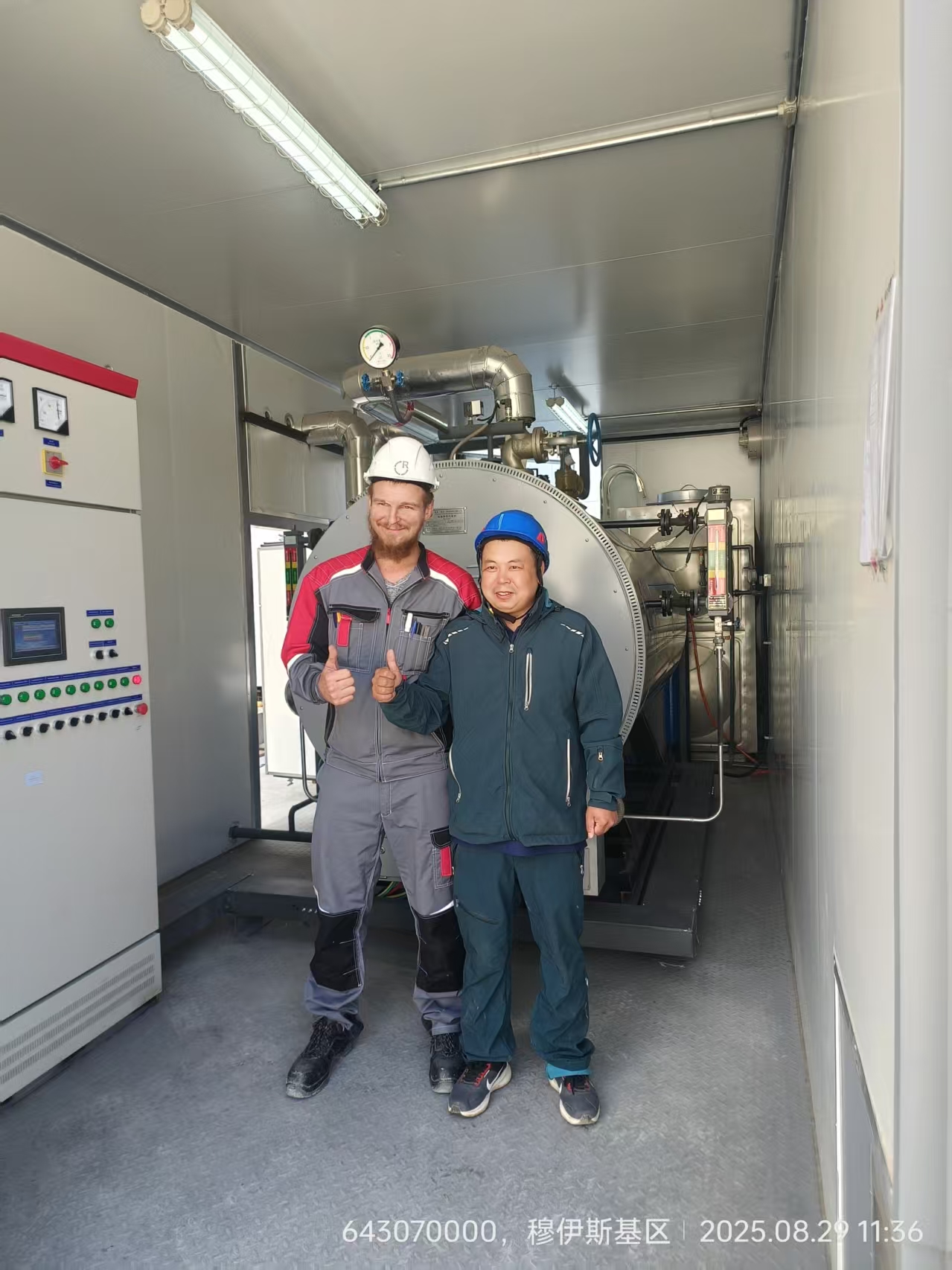

 Combi energy-saving boilers