The low-emission steam boiler represents a significant advancement in industrial and commercial heating technology, designed to minimize environmental impact while delivering high-performance steam generation. With increasing global attention on climate change and the need for sustainable energy solutions, low-emission steam boilers are becoming essential components in various sectors, including manufacturing, food processing, and energy production.
At the core of a low-emission steam boiler's design is its commitment to reducing harmful emissions such as nitrogen oxides (NOx) and particulate matter. This is achieved through innovative combustion technologies, precise fuel management systems, and advanced heat exchange mechanisms. By optimizing the combustion process, these boilers achieve complete fuel combustion, leading to lower emissions and higher efficiency. Many models employ modulation controls that adapt to changing load demands, ensuring that energy consumption is minimized while maintaining steady steam output.
Expertise in the design and operation of low-emission steam boilers is paramount. These systems are engineered by seasoned professionals who understand the intricacies of thermodynamic principles, material sciences, and environmental regulations. Manufacturers often incorporate features such as flue gas recirculation, selective catalytic reduction (SCR), and low-NOx burners, all of which require significant engineering expertise and experience in emissions control technologies.
The authoritativeness of low-emission steam boiler systems is further underpinned by compliance with industry standards and certifications, such as those set forth by the Environmental Protection Agency (EPA) and the American Society of Mechanical Engineers (ASME). These certifications ensure that the boilers not only meet but often exceed environmental performance criteria, making them a responsible choice for businesses aiming to minimize their carbon footprint.
In practical applications, low-emission steam boilers provide users with tangible benefits, including reduced operational costs due to improved fuel efficiency and lower regulatory fees associated with emissions. Furthermore, the transition to low-emission technologies aids businesses in achieving sustainability goals, which is increasingly important to consumers and stakeholders alike.
As industries continue to evaluate their environmental responsibilities, low-emission steam boilers will play a crucial role in meeting regulatory requirements, improving energy efficiency, and contributing to a greener future. Investing in such advanced boiler technology not only reflects a commitment to sustainable practices but also positions organizations as leaders in the transition towards cleaner, more efficient energy solutions. In summary, the low-emission steam boiler stands at the intersection of technology and environmental stewardship, embodying the principles of efficiency and responsibility in today’s industrial landscape.

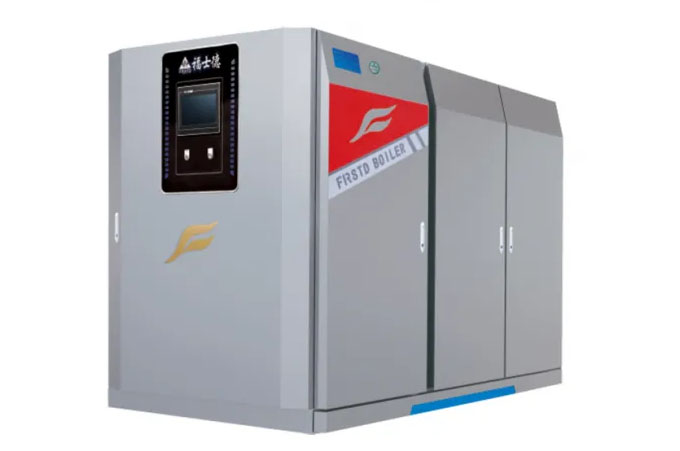

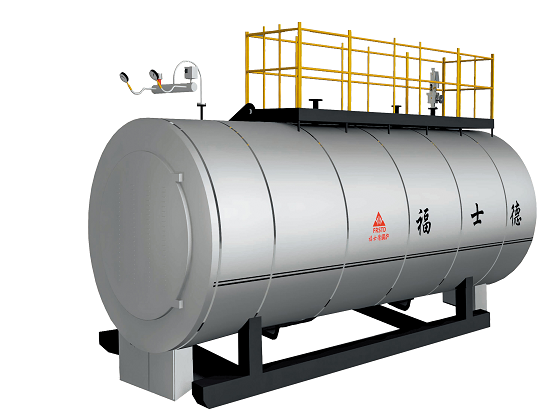
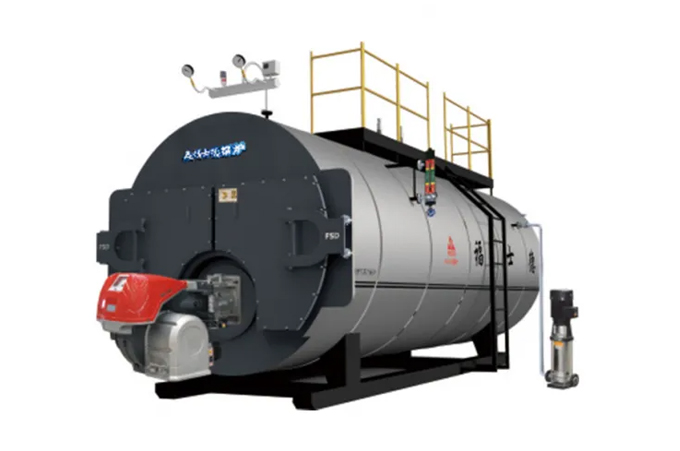
 Water-tube environmentally friendly boilers