## How Emergency Environmentally Friendly Boilers Work
Emergency environmentally friendly boilers represent a significant advancement in sustainable heating solutions. By utilizing innovative technology and eco-friendly materials, these boilers provide efficient heating while minimizing environmental impact. Understanding their key components and mechanisms can shed light on their application in modern manufacturing.
At the heart of an environmentally friendly boiler is the combustion chamber, designed to optimize fuel burning efficiency. Unlike traditional boilers that often emit harmful gases, these advanced units utilize low-emission fuels such as biogas, biomass pellets, or even waste heat. The combustion process incorporates advanced oxygen control systems and low-NOx burners, resulting in reduced greenhouse gas emissions and minimal environmental pollution.
Another critical component is the heat exchanger, which maximizes energy recovery. This device transfers heat generated from combustion to the water or steam circulating through the boiler. By employing enhanced heat exchange technologies like finned tubes or dual-phase heat exchangers, these systems significantly improve heat transfer efficiency. Consequently, less fuel is required to achieve the desired heating output, translating into both cost savings and reduced carbon footprint.
For monitoring and control, many modern environmentally friendly boilers are equipped with smart sensors and automated control systems. These technologies enable real-time tracking of performance metrics, such as temperature and pressure, ensuring the system operates at peak efficiency. If an anomaly is detected, the system can automatically adjust fuel input or shut down to prevent failures, thereby enhancing safety and reliability.
Additionally, the integration of renewable energy sources, like solar thermal collectors or geothermal systems, is becoming increasingly common. By harnessing these sustainable energy sources, manufacturers can further lower their dependence on fossil fuels. For instance, a manufacturing plant could utilize a combination of solar heating and an environmentally friendly boiler to achieve a lower environmental impact while maintaining consistent energy outputs.
In practical applications, these boilers find uses in various sectors, from industrial processes to residential heating. A brewery could utilize an emergency environmentally friendly boiler to produce steam for pasteurizing while reducing operational costs and enhancing sustainability credentials, making them appealing to eco-conscious consumers.
In conclusion, the innovative design of emergency environmentally friendly boilers embodies the commitment to sustainable energy solutions in modern manufacturing. Their efficient production processes leverage advanced technology to ensure minimal environmental impact while enhancing operational reliability. As the industry continues to evolve, suppliers and manufacturers must embrace these technologies to lead the charge in creating a greener future. For more information or to explore options, please contact us.


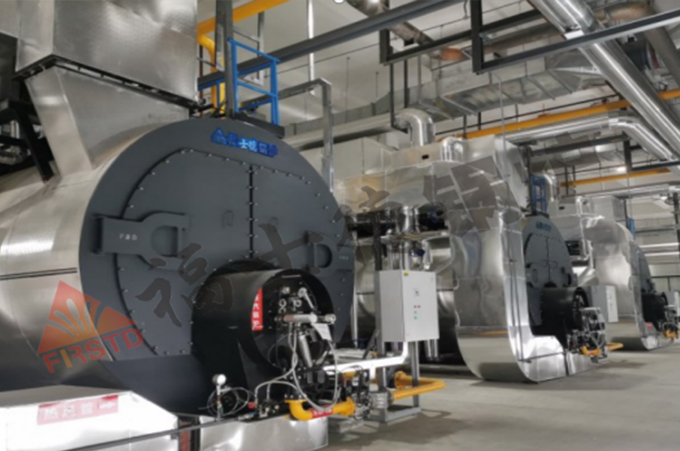
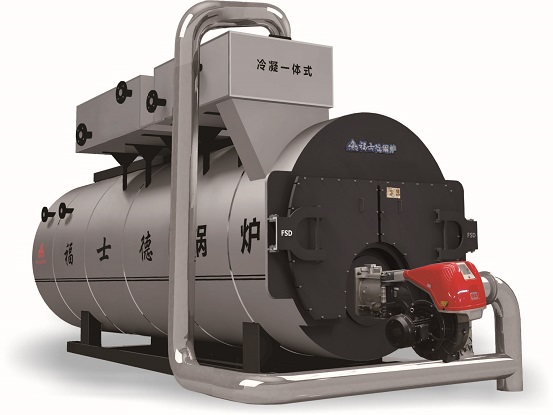
 Hot water eco friendly boiler