## Understanding the University Eco-Friendly Boiler
The University eco-friendly boiler represents a significant advancement in sustainable heating technology. Designed to minimize environmental impact while maximizing efficiency, this boiler utilizes a series of innovative components and mechanisms that ensure effective operation.
At the heart of the eco-friendly boiler is the combustion chamber, where fuel—typically biomass or other renewable sources—is burned. Unlike traditional boilers that rely heavily on fossil fuels, this system harnesses sustainable materials, contributing to reduced carbon emissions. Inside the combustion chamber, advanced technology facilitates optimal fuel-to-air mixing, ensuring that combustion occurs efficiently, thus generating more heat with less fuel.
Key components of the eco-friendly boiler include the heat exchanger, which captures and transfers the heat produced during combustion to the water or steam circulating through the system. This design enhances thermal efficiency, significantly lowering energy consumption and operational costs. Additionally, the incorporation of condensing technology allows the boiler to recover heat from flue gases, further improving energy utilization.
The control panel of the boiler plays a crucial role in automating its operation. Equipped with smart sensors and software, this system continuously monitors variables such as temperature and pressure, adjusting combustion conditions in real-time for optimal performance. This advanced control mechanism not only helps maintain consistent heating levels but also minimizes the risk of inefficient operation and maintenance issues.
Another notable feature of the University eco-friendly boiler is its compatibility with renewable energy sources. For instance, it can seamlessly integrate with solar heating systems or geothermal energy, providing an even greener solution for energy production. This adaptability positions the boiler as a vital component in modern manufacturing, where companies are increasingly seeking to reduce their carbon footprint and embrace sustainable practices.
A practical application scenario involves a university campus where multiple buildings rely on the eco-friendly boiler for heating. By using renewable biomass as fuel, the institution not only demonstrates its commitment to sustainability but also reduces heating costs over time. This system serves as a model for other educational facilities aiming to transition towards greener practices.
In conclusion, the University eco-friendly boiler is a testament to how advanced technology can facilitate efficient production processes while fostering a sustainable future. Its innovative design and functionalities make it an essential tool in modern manufacturing. To learn more about how you can implement such technology in your operation or to find reliable suppliers, contact us today.
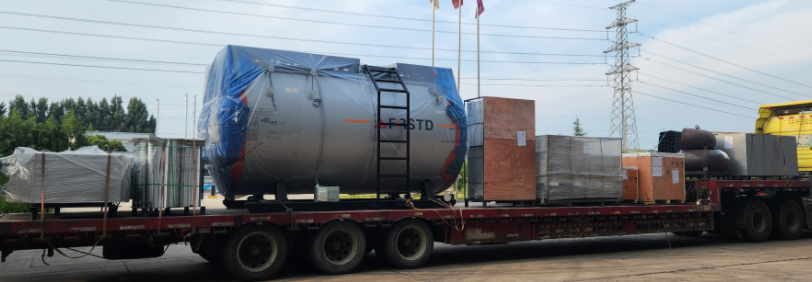
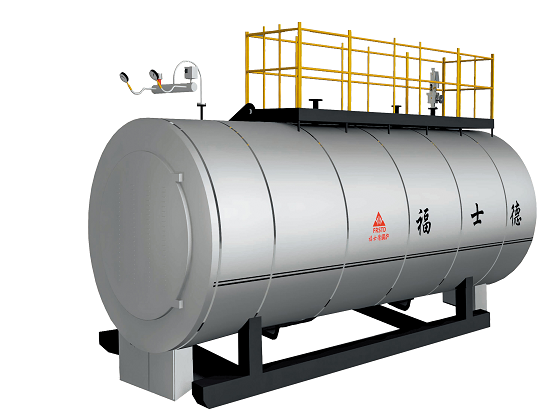
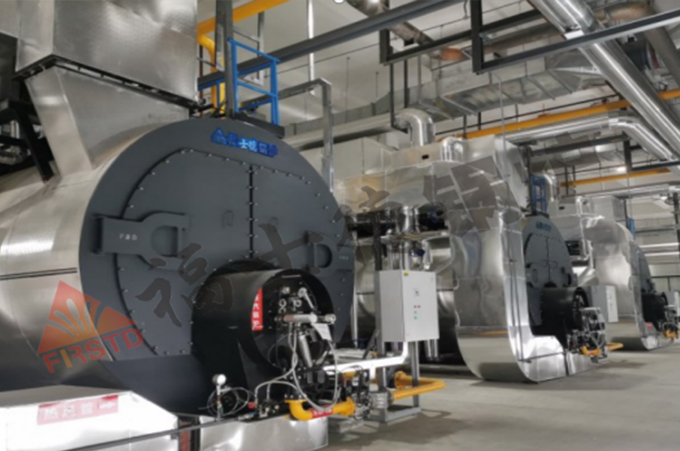
 Compact steam boiler