## Understanding How a Horizontal Steam Boiler Works
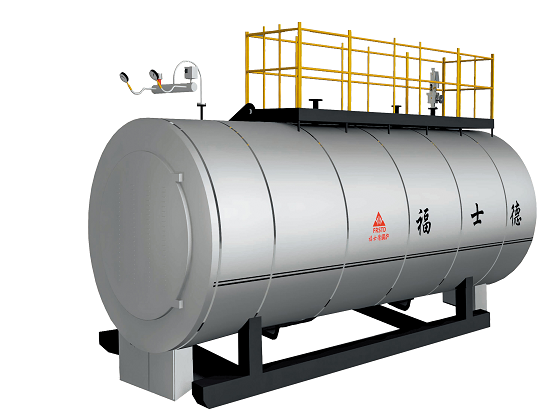
A horizontal steam boiler is a crucial component in various industrial processes, providing a reliable source of steam for heating and powering machinery. This type of boiler is designed with its cylindrical shell arranged horizontally, enabling efficient steam generation and minimal space usage. Understanding how a horizontal steam boiler works involves delving into its key components, operational mechanisms, and the role of advanced technology in enhancing efficiency.
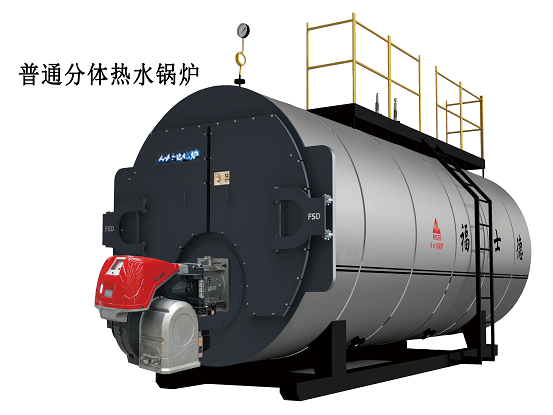
At the heart of the horizontal steam boiler are several key components: the boiler shell, fire tubes, water tank, burner, and control system. The boiler shell contains water, while fire tubes run through it, carrying hot flue gases created by burning fuel (typically natural gas, oil, or biomass). When the burner ignites the fuel, it generates heat, which is transferred through the fire tubes, raising the temperature of the water and converting it into steam.
The control system plays a vital role in monitoring and regulating the boiler's operation. It uses sensors to measure parameters like temperature, pressure, and water level, ensuring the boiler operates within safe and efficient limits. Advanced technology, such as automated control systems and pressure sensors, enhances safety and efficiency, allowing for precise steam generation tailored to specific industrial requirements.
One remarkable feature of modern horizontal steam boilers is their energy efficiency. Today’s models often incorporate condensing technology, which captures and recycles exhaust heat, thereby reducing fuel consumption and lowering operational costs. For example, in a food processing plant, a horizontal steam boiler can produce high-pressure steam quickly, essential for processes such as sterilization and cooking, while ensuring minimal energy loss.
Practical applications of horizontal steam boilers can be seen in industries ranging from pharmaceuticals to textiles. In pharmaceuticals, steam is crucial for sterilizing equipment. In textile manufacturing, steam is used for dyeing and finishing fabrics. These applications illustrate how integrating advanced steam boiler technology improves productivity, ensures product quality, and reduces environmental impact.
In conclusion, the horizontal steam boiler is an integral component in modern manufacturing processes, owing to its efficient design, advanced technology, and versatility. Industries looking to enhance their operations can benefit significantly from the reliable steam production provided by these systems. For more information on models available and to connect with suppliers, please feel free to contact us.
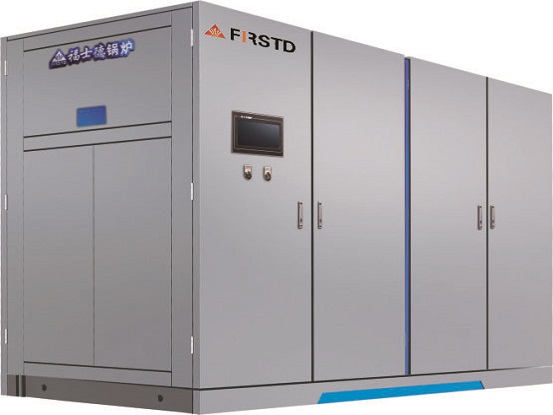
 Hybrid energy-saving boilers